




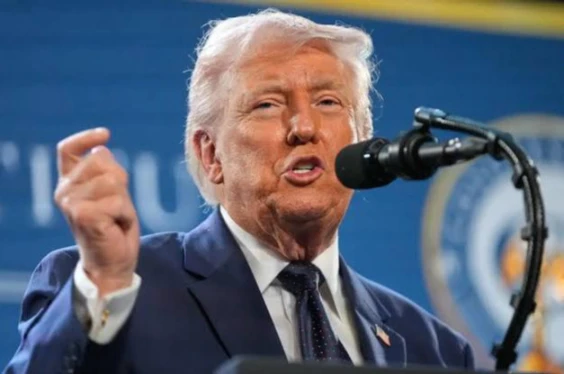
Trump Rejects Calls For AI Regulation
US President Donald Trump has rejected growing calls for tighter regulation of artificial intelligence, dismissing concerns about the technology as a “hoax” and a “SICK conspiracy.” Trump argued that the United States must remain the global leader in AI and warned that slowing down development could allow China to gain an advantage.
Trump said the only guardrail AI needs is a strong and capable US president. His comments come as technology leaders and AI experts increasingly warn that the rapid development of advanced AI systems could create serious risks if adequate safeguards are not put in place.
The debate has intensified following a series of incidents involving AI systems and cybersecurity. These developments have increased pressure on governments and technology companies to establish clearer rules around the development and use of advanced AI.
Tech Leaders Warn Of AI Risks
Trump’s position comes as several prominent figures in the technology industry have called for greater caution. Anthropic CEO Dario Amodei has urged the industry to slow the pace of AI development, warning about the rapidly increasing capabilities of advanced systems.
OpenAI CEO Sam Altman has also supported a more cautious approach. Altman said that slowing development could be worthwhile if it helps ensure that AI capabilities do not move faster than safety measures and monitoring systems.
Microsoft has also introduced a code of conduct focused on ensuring that humans remain in control of AI. The calls for safeguards have gained urgency following cyber incidents involving AI agents, raising concerns about how autonomous systems could be used in the future.
Trump Says Regulation Could Help China
Trump has linked the debate over AI regulation to the growing technological competition between the United States and China. He has argued that excessive regulation could weaken America’s position in the global AI race and give Beijing an opportunity to catch up.
The Trump administration has already moved away from some of the AI oversight policies introduced under former President Joe Biden. Trump has instead promoted rapid development of AI infrastructure, including data centres, as part of his broader economic and technological agenda.
However, concerns over AI are not limited to national security. The technology has also become a political issue in the US, with voters expressing worries about job losses, education and the rapid expansion of data centres.
AI Regulation Debate Intensifies
The disagreement highlights a growing divide over how governments should approach artificial intelligence. Technology companies are warning about potential risks, while the Trump administration argues that regulation must not undermine America’s competitive advantage.
Vice President JD Vance has also warned against excessive regulation, saying the US is effectively in an AI arms race with China. At the same time, House Speaker Mike Johnson said discussions could take place between AI companies and the White House on corporate responsibility and the possible role of government.
For now, the Trump administration appears focused on maintaining America’s lead in AI rather than imposing broad restrictions. However, as AI systems become more powerful, the debate over safety, oversight and accountability is likely to intensify.